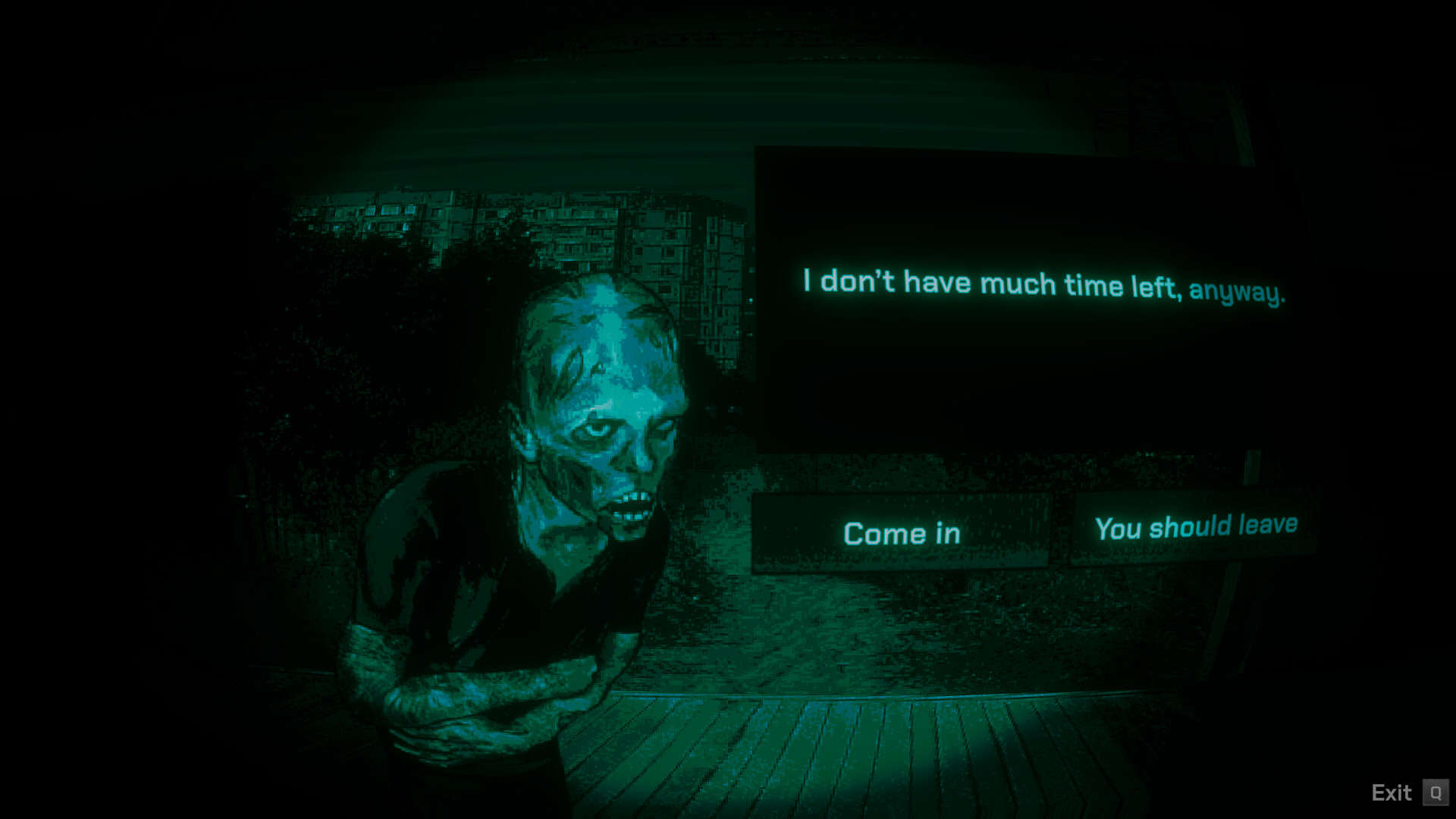
One of the most challenging aspects of No, I'm Not a Human is correctly identifying which visitors are human and which are dangerous "Visitors" trying to infiltrate your shelter. This comprehensive guide will help you master the art of visitor identification and improve your survival chances.
Understanding the Identification System
The game presents you with 57 different characters, each with unique traits and behaviors. Your job is to observe these traits and determine whether each person is a genuine human seeking shelter or a visitor with malicious intent.
Key Identification Clues
Physical Characteristics
- Teeth: Visitors often have unusual teeth - too white, too sharp, or irregular patterns
- Eyes: Look for red or unnatural eye colors, or eyes that don't reflect light properly
- Skin: Visitors may have unnaturally pale, perfect, or slightly off-colored skin
- Nails: Check for unusually long, sharp, or discolored nails
- Body Hair: Visitors often lack body hair in areas where humans typically have it
Behavioral Patterns
- Speech Patterns: Visitors may speak too formally, repeat phrases, or have unusual speech rhythms
- Movement: Look for overly smooth, mechanical, or unnatural movements
- Reactions: Visitors may react inappropriately to emotional situations
- Knowledge: They might know too much or too little about current events
Character Analysis Guide
The FEMA Agent VISITOR
Key Traits: Perfect uniform, knows too much about your situation, overly confident
Identification: Real FEMA agents would be more cautious and less certain about post-apocalyptic conditions.
The Wounded Man HUMAN
Key Traits: Genuine injuries, realistic pain responses, desperate but honest
Identification: His injuries are consistent and his desperation feels authentic.
The Cat Lady VISITOR
Key Traits: Claims to have saved cats, but shows no genuine attachment to them
Identification: Real cat lovers would be more emotionally connected to their pets.
The Mother with Child HUMAN
Key Traits: Protective behavior, genuine concern for child's safety
Identification: Her maternal instincts and protective behavior are authentic.
The Cult Leader VISITOR
Key Traits: Charismatic but manipulative, speaks in absolutes
Identification: His rhetoric is too polished and his promises too perfect.
The Surgeon HUMAN
Key Traits: Medical knowledge, practical approach, genuine desire to help
Identification: His medical expertise and practical mindset are consistent with a real surgeon.
Advanced Identification Techniques
Energy Management
Use your detection abilities wisely. Each scan costs energy, so prioritize suspicious characters and use your intuition for obvious cases.
Pattern Recognition
Look for patterns in visitor behavior. Many visitors share similar traits, so learning to recognize these patterns can help you identify them more quickly.
Context Clues
Consider the situation and timing. Some characters' stories don't add up given the current circumstances, which can be a dead giveaway.
Common Mistakes to Avoid
- Trusting Too Easily: Don't let emotional appeals override your judgment
- Ignoring Small Details: Minor inconsistencies can be major red flags
- Rushing Decisions: Take time to observe and analyze each character
- Overthinking: Sometimes the obvious answer is the correct one
Tips for Success
- Take Notes: Keep track of character traits and your decisions
- Learn from Mistakes: Review your incorrect identifications to improve
- Trust Your Instincts: Your first impression is often correct
- Practice: The more you play, the better you'll become at identification
Conclusion
Mastering visitor identification in No, I'm Not a Human requires patience, observation, and practice. By learning to recognize the subtle differences between humans and visitors, you'll be able to make better decisions and improve your chances of survival. Remember, every character has tells - it's up to you to spot them and make the right call.
As you progress through the game, you'll develop your own identification strategies and learn to trust your instincts. The key is to stay alert, ask questions, and never let your guard down completely. Your shelter's survival depends on your ability to distinguish friend from foe.